
For decades, job security was considered the gold standard of professional success. Landing a stable role, staying with the same employer for years, and gradually moving up the ladder defined what a successful career looked like.
That model is changing.
Artificial intelligence, automation, economic uncertainty, and evolving business priorities have transformed how organizations hire, develop, and retain talent. Today, the ability to move across roles, industries, and emerging opportunities is becoming more valuable than staying in the same job for decades.
This shift has brought career mobility to the forefront of conversations about the future of work. Rather than preparing for a single profession, professionals increasingly need to prepare for multiple career transitions over their working lives. The question is no longer whether someone can secure a job. It is whether they can remain employable as the world of work continues to evolve.
Why Stable Careers Are No Longer the Norm
A generation ago, professionals often built their careers within a single organization or industry. Skills remained relevant for longer periods, career paths were predictable, and technological disruption happened gradually.
Today’s labor market looks very different.
Organizations are adopting AI to automate repetitive work, redesign workflows, and create entirely new roles. Entire industries are being reshaped by digital transformation, while new occupations emerge faster than traditional education systems can respond.
De acordo com o World Economic Forum’s Relatório sobre o futuro dos empregos em 2025, nearly 40% of workers’ core skills are expected to change within the next five years, making continuous learning a necessity rather than an advantage.
Job security has therefore become temporary. Career adaptability has become permanent.
Career Mobility Is Also About Growing Within an Organization
Career mobility is often associated with switching employers or moving into entirely new industries. In reality, it is just as much about evolving within the same organization.
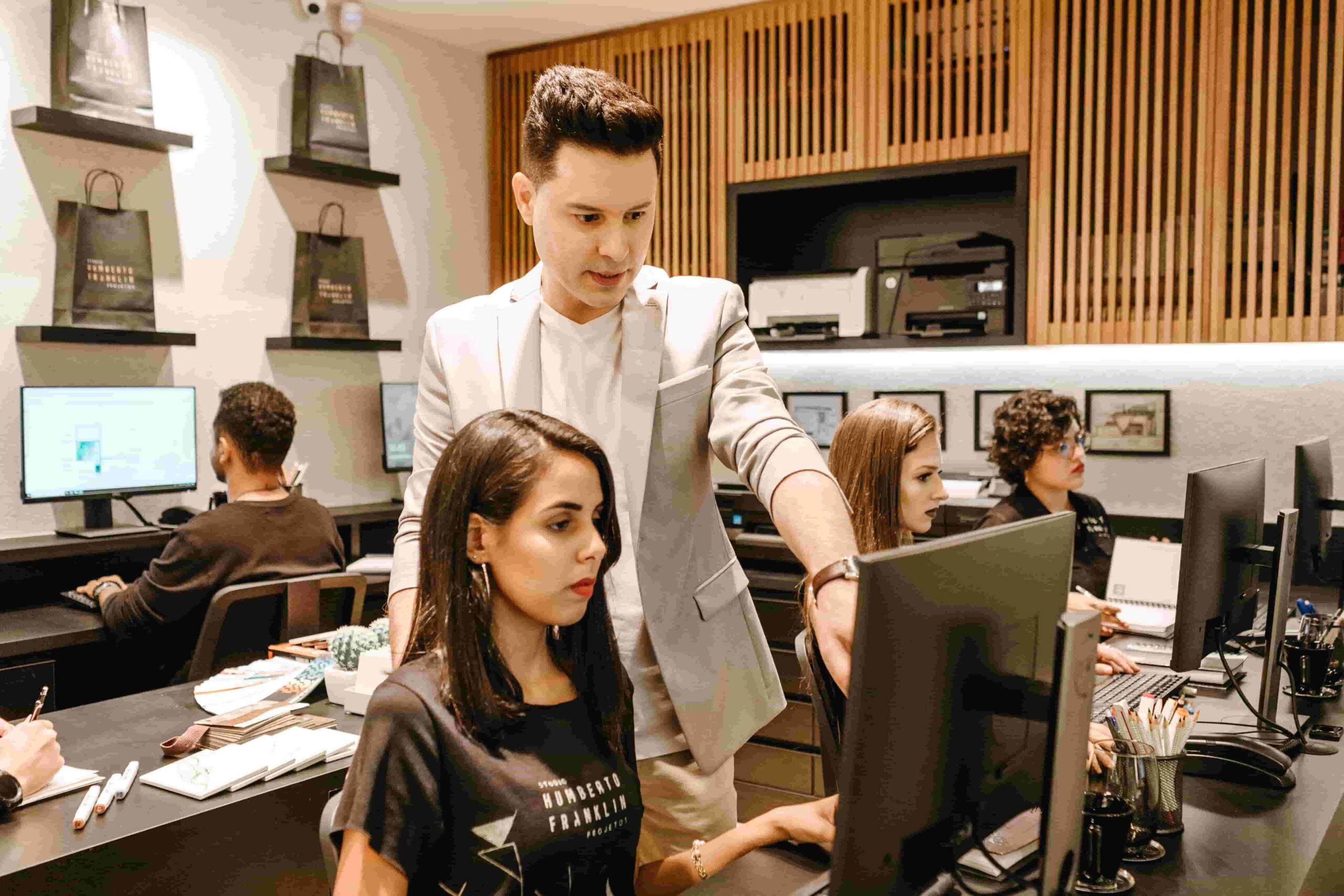
As businesses embrace AI, redesign workflows, and respond to changing market demands, employees who continue building new capabilities are better positioned to take on emerging responsibilities, move into new functions, and contribute in higher-value ways. Career progression is becoming less about tenure and more about the ability to grow alongside the business.
This is where lifelong learning becomes essential. Technical expertise remains valuable, but relying solely on the skills that secured a role years ago is increasingly unlikely to sustain long-term career growth. Professionals who consistently invest in learning can adapt more effectively as their roles evolve and organizational priorities shift.
For employers, this creates an opportunity to build stronger, more resilient teams. Organizations that invest in workforce development, reskilling, and internal career pathways can retain valuable talent while preparing employees for the future of work. Rather than looking externally for every emerging skill, they can develop capabilities from within.
The Skills That Enable Career Mobility
Career mobility is not defined by how often someone changes jobs. It is defined by the ability to remain relevant as work continues to evolve.
Several capabilities consistently support long-term career growth:
- Learning agility and adaptability
- AI and digital literacy
- Pensamento crítico
- Communication and collaboration
- Resolução de problemas:
- Data-informed decision-making
- Leadership and influence
- A commitment to lifelong learning
These transferable skills remain valuable across industries, roles, and organizational structures. They enable professionals to embrace new responsibilities with confidence, whether they are progressing within their current organization or exploring entirely new career opportunities.
AI Is Transforming Career Development
Artificial intelligence is not simply changing jobs. It is changing how careers are built.
AI is automating repetitive tasks while increasing demand for uniquely human capabilities such as creativity, judgment, collaboration, and strategic thinking. At the same time, AI-powered learning platforms, intelligent career guidance, and personalized training are making it easier for professionals to continuously acquire new skills throughout their careers.
Rather than viewing AI as a replacement for talent, forward-looking organizations are using it to strengthen workforce capability. AI enables more personalized learning experiences, identifies skill gaps faster, and helps employees prepare for emerging roles before those skills become business-critical.
The result is a workforce that is better equipped to adapt to changing technologies without constantly starting over.
How Organizations Can Build a More Mobile Workforce
Career mobility is most effective when individuals and organizations invest in it together.
Forward-looking employers are creating environments where continuous learning is part of everyday work rather than an occasional training initiative. This helps employees prepare not only for their current responsibilities but also for future roles that may not yet exist.
Organizations can strengthen career mobility by:
- Creating clear internal career pathways
- Investing in continuous learning and reskilling
- Prioritizing skills alongside qualifications during talent development
- Using AI-powered learning and career guidance tools
- Encouraging cross-functional experiences and project-based learning
- Measuring career progression alongside traditional learning metrics
When organizations develop adaptable talent, they strengthen their ability to respond to technological change, business transformation, and evolving customer expectations.
Career Mobility Is the New Foundation of Career Success
The future of work is unlikely to reward professionals based solely on how long they stay in one role. Instead, it will increasingly reward those who continue learning, adapting, and creating value as work evolves.
Career mobility is not about changing employers more frequently. It is about building the skills, mindset, and resilience needed to grow throughout an entire professional journey. Whether that journey unfolds within one organization or across several, the ability to learn continuously has become one of the strongest predictors of long-term success.
As industries continue to evolve, career mobility will become an increasingly important driver of career growth, employability, and workforce development. For individuals and organizations alike, investing in lifelong learning is no longer simply a way to stay competitive. It is becoming the foundation for building careers that remain relevant in the future of work.