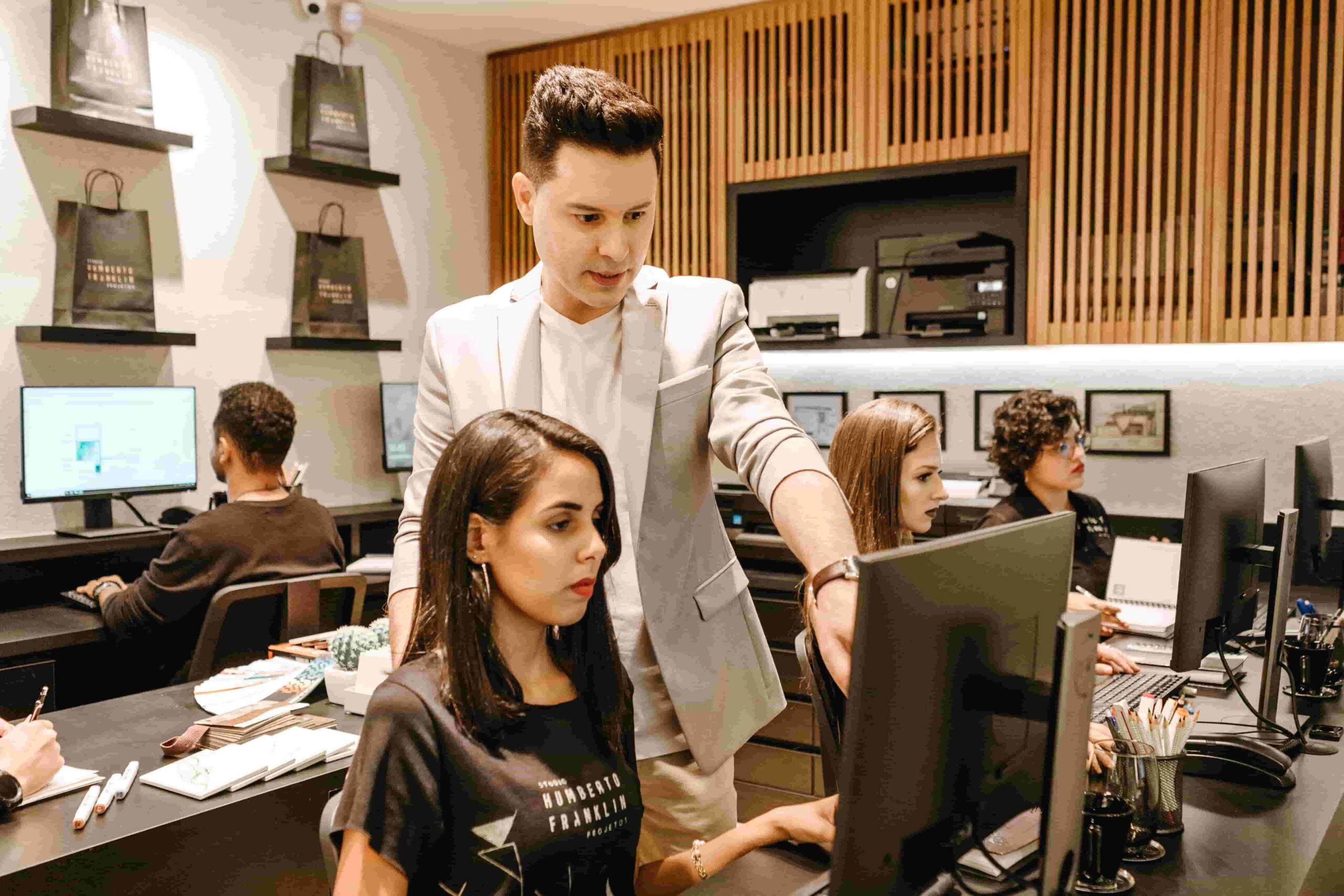

For years, employers searched for the perfect candidate. The ideal resume checked every box, from degrees and certifications to years of experience. Today, that mindset is shifting. As industries evolve faster than job descriptions can keep up, organizations are discovering that the strongest hires aren’t always those with the longest resumes. Increasingly, skills-based hiring is expanding beyond existing capabilities to identify something even more valuable: a person’s potential to grow.
Why the Definition of Talent Is Changing
The pace of technological change has transformed the workplace. New tools emerge overnight, job roles continue to evolve, and skills that were once essential can quickly become outdated. In this environment, hiring someone solely because they already possess today’s technical expertise may offer only a temporary advantage.
Instead, employers are looking for individuals who demonstrate the ability to learn continuously, adapt to change, and solve unfamiliar problems. Curiosity, resilience, communication, and critical thinking are becoming indicators of long-term success because they enable people to acquire new skills as industries evolve.
This shift also creates opportunities for a broader talent pool. Candidates with non-traditional backgrounds, career changers, and lifelong learners increasingly have a chance to compete based on their capabilities rather than conventional credentials. As a result, skills-based hiring is becoming less about matching a checklist and more about recognizing future potential.
The CAP Framework: Four Signals of High-Potential Talent
Organizations seeking future-ready talent can benefit from looking beyond technical proficiency and evaluating four qualities that consistently predict long-term performance.
C. Curiosity
People who ask thoughtful questions, seek feedback, and actively explore new ideas tend to adapt more quickly when industries or technologies change.
A. Adaptability
High-performing professionals rarely follow a perfectly predictable career path. They embrace uncertainty, adjust to new responsibilities, and remain effective as business priorities evolve.
P. Progress Mindset
Rather than focusing only on what someone knows today, employers increasingly assess how quickly an individual can learn tomorrow. A demonstrated commitment to continuous improvement often outweighs mastery of a single tool or process.
Purpose
Candidates who understand how their work contributes to broader organizational goals often show greater motivation, stronger collaboration, and higher resilience during periods of change.
Together, these four signals offer a more complete picture of long-term potential than resumes alone. They also encourage education providers and employers to align around developing adaptable, lifelong learners instead of preparing people only for their first job.
The Wadhwani Foundation Perspective
At Wadhwani Foundation, we believe that preparing people for the future of work requires more than helping them acquire technical skills. It means fostering the mindset, adaptability, and confidence needed to thrive in a rapidly changing world. As industries continue to evolve, education and workforce development must focus on empowering individuals to learn continuously, embrace innovation, and create lasting economic opportunity. Building human potential alongside practical capability is essential to creating resilient workforces and sustainable growth.
Melihat ke Depan
The future of skills-based hiring won’t be defined by who has the most impressive resume. It will belong to those with the greatest capacity to learn, adapt, and grow. Explore more insights from Wadhwani Foundation on the future of work, workforce transformation, and building opportunity in a changing global economy.