
Welcome and Introduction
Speaker: Shang Gupta, Community Manager at Wadhwani Foundation
Introduction to the Session:
Warm welcome to the inaugural session of the Career Transformation Masterclass.
The masterclass series will cover topics on leadership, career insights, and life-long learning to help individuals grow both professionally and personally.
Participants will hear from industry leaders and gain valuable insights.
Agenda Overview
Session Content:
The first session will focus on Leadership and Ownership:
What it takes to be a leader.
Understanding leadership beyond a position.
Creative thinking and making a great first impression.
After the speaker’s insights, a Q&A session will be held, managed by Rucha, who will take audience questions.
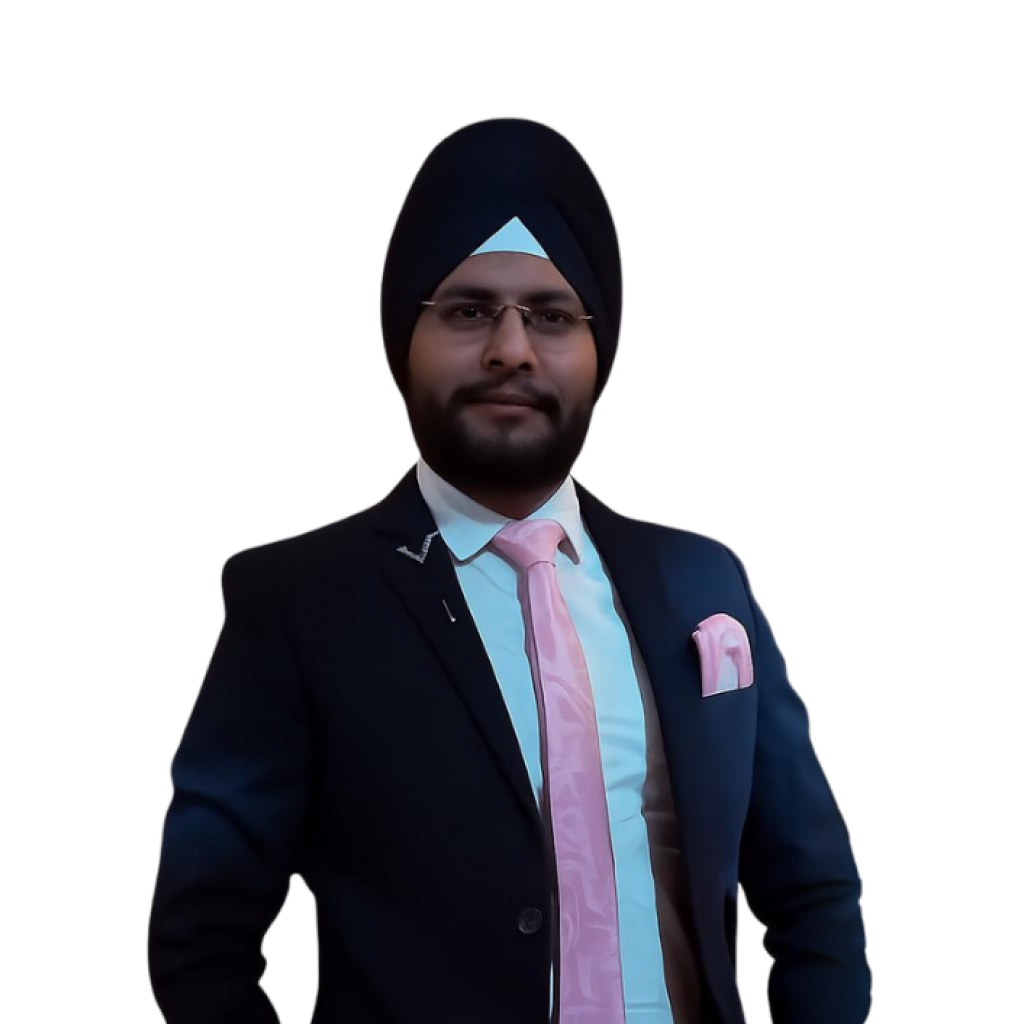
The speaker, Mr. Jagjit Singh, will discuss his experiences in the Learning & Development (L&D) space.
Speaker Introduction
Speaker: Shang Gupta introduces Mr. Jagjit Singh.
Background of Jagjit Singh:
Almost two decades of experience in the QSR (Quick Service Restaurant) industry.
Currently EVP and Head of L&D at Subway India.
Recognized as an emerging leader in L&D and a tech-driven advocate.
Mr. Jagjit Singh’s IntroductionCommunication and Financial Literacy
Mr. Jagjit Singh’s Perspective on Learning:
Reflects on his journey starting 20 years ago when there was no internet or technology.
Emphasizes the value of using current technology and resources effectively for growth.
Acknowledges the long-standing relationship with the Vadari Foundation and the opportunity to share insights.
Key Leadership Insights
Mr. Jagjit Singh’s Leadership Journey:
Talks about the early stages of his career and how technology has evolved.
Encourages the audience to leverage the technology available to stay ahead.
Mentions the importance of managing people and building a successful team.
Stresses the significance of leadership in various roles, from shift manager to CEO.
The Framework for Leadership
The Five Key Principles for Effective Leadership:
Building trust with teammates.
Earning respect (not demanding it).
Effective communication – Both verbal and non-verbal.
Feedback culture – Giving and receiving feedback.
Delegation – Learning to trust others and empower them to act.
Jagjit emphasizes that leadership is about influencing others to perform well and achieve business goals.
How to Build Trust and Respect
Building Trust through Actions:
Keep your commitments.
Be transparent and communicate openly.
Competence is key: Show your expertise and consistently deliver.
Think of others’ best interests before your own.
Show confidence in people and build a professional image.
Use respectful communication and polite language.
These actions will help build trust and respect in a team.
Communication Skills for Leadership
Effective Communication for Leaders:
Verbal Communication: Be clear, concise, and action-oriented.
Tone of Voice: Adjust the tone based on the situation.
Body Language: Non-verbal cues play a significant role in how communication is perceived.
Active Listening: Pay attention, ask questions, and respond thoughtfully.
Clear Requests: Make direct and actionable requests to ensure clarity.
Creativity and Problem-Solving
Creative Thinking in Leadership:
Encourage creativity and challenge the status quo.
Leaders should seek out creative solutions to problems and be open to new ideas.
Emphasizes the importance of being solution-oriented rather than focusing on problems.
Investing in Yourself
Self-Development for Leadership:
Focus on both mental and physical fitness to be a well-rounded leader.
Continuously work on improving yourself, as leaders lead by example.
Be proactive in your learning and growth to become an effective leader.
The Q&A Session
Q&A with Mr. Jagjit Singh:
Q1: “Are there any shortcuts to influence people who don’t have motives?”
Jagjit challenges this notion, stating that everyone in an organization has a purpose and the focus should be on inspiring and motivating them.
There are no shortcuts; influence comes with building trust, setting clear expectations, and leading by example.
Q2: “How to convince a person with a different mindset to do work?”
Emphasizes the importance of diverse perspectives in a team.
Effective leadership involves respecting different opinions and finding common ground while guiding the team towards a shared goal.
Q3: “What is the fastest mode of formal communication?”
Formal communication should be clear, concise, and action-oriented with timelines.
Q4: “How can we become effective listeners?”
Jagjit advises practicing active listening, reflecting, and paraphrasing what the other person says to ensure mutual understanding.
Pikiran Penutup
Final Words:
Jagjit concludes by reiterating the importance of leadership, ownership, and creativity.
He encourages the audience to focus on personal growth, develop communication skills, and build trust within their teams.
Leadership is a continuous journey of learning, action, and reflection.