
The skills gap has become one of the most discussed challenges in today’s job market. Employers frequently report difficulty finding job-ready talent, while graduates often feel frustrated after completing years of education only to face repeated rejection. Both perspectives are valid. Students have invested time in acquiring knowledge, while employers continue to struggle to find candidates who can contribute from day one.
The disconnect is not because graduates are learning less. It is because education and workplace expectations do not always develop at the same pace. Today’s future workforce needs more than academic knowledge. Employers increasingly expect candidates to combine technical expertise with practical employability skills that support performance in real working environments.
Why Does the Skills Gap Continue to Exist?
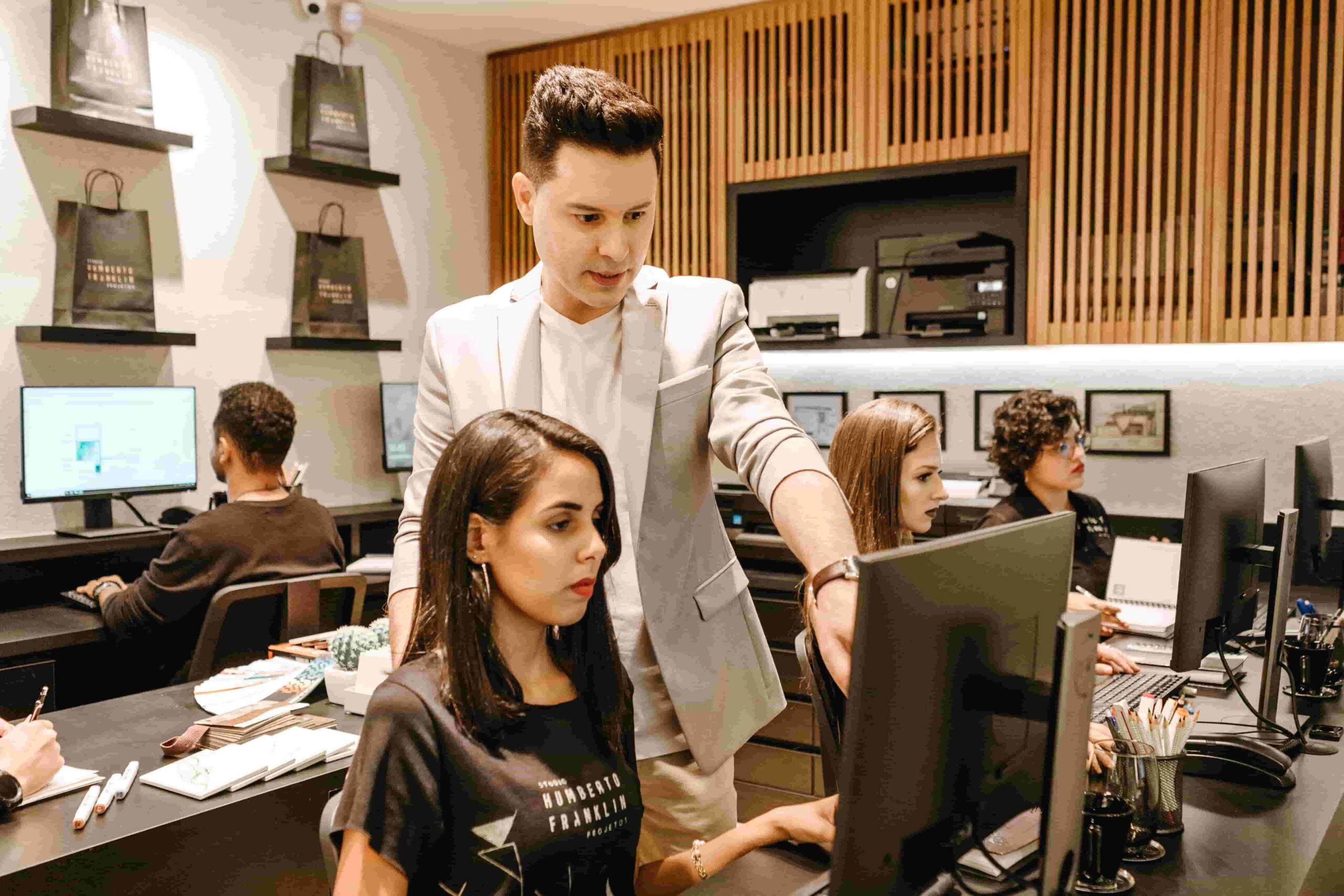
Many academic programs successfully teach concepts, theories, and technical foundations. These remain essential for professional growth. However, workplaces operate differently from classrooms. Employees are expected to communicate clearly, collaborate across teams, solve unfamiliar problems, and adapt quickly when priorities change.
This difference creates the skills gap. Graduates may know qué to do but have limited experience applying that knowledge under real workplace conditions. Employers therefore spend additional time training new hires in professional behaviours that are rarely assessed in traditional education.
Research from the Foro Económico Mundial consistently highlights analytical thinking, communication, adaptability, and collaboration among the most valuable workplace capabilities alongside technical skills.
What Employers Actually Look For
Strong technical knowledge remains important, but hiring decisions increasingly depend on a broader set of capabilities. Employers want candidates who can contribute to teams, communicate ideas effectively, and continue learning as technologies and industries evolve.
Some of the qualities employers consistently value include:
- Clear verbal and written communication
- Critical thinking and structured problem-solving
- Teamwork and collaboration
- Professional behaviour and accountability
- Adaptability in changing environments
- Digital confidence, including responsible use of AI tools
- Willingness to learn continuously
These qualities help graduates perform effectively from their first day at work rather than requiring extensive adjustment after joining an organisation.
Why Employability Skills Matter More Than Ever
The rise of artificial intelligence has made human capabilities even more valuable. AI can assist with research, automate repetitive tasks, and generate content, but it cannot replace judgement, empathy, relationship-building, or ethical decision-making.
This is why employability skills have become central to career readiness. Communication, workplace behaviour, interview preparation, and professional confidence often determine whether candidates move beyond the interview stage. AI-assisted mock interviews, practical simulations, and project-based learning also provide learners with opportunities to improve before facing real employers.
Career readiness is no longer about collecting qualifications. It is about demonstrating the ability to apply knowledge effectively in professional settings.
Preparing the Future Workforce
Closing the skills gap requires collaboration between educators, employers, and learners. Academic learning remains essential, but it should be complemented by practical workplace experiences, continuous feedback, and opportunities to develop professional behaviour.
En WADHWANI FOUNDATION, employability programs focus on preparing learners for the realities of modern workplaces. Alongside technical learning, participants strengthen communication, workplace etiquette, interview readiness, problem-solving, and adaptability while gaining access to practical learning experiences that reflect employer expectations.
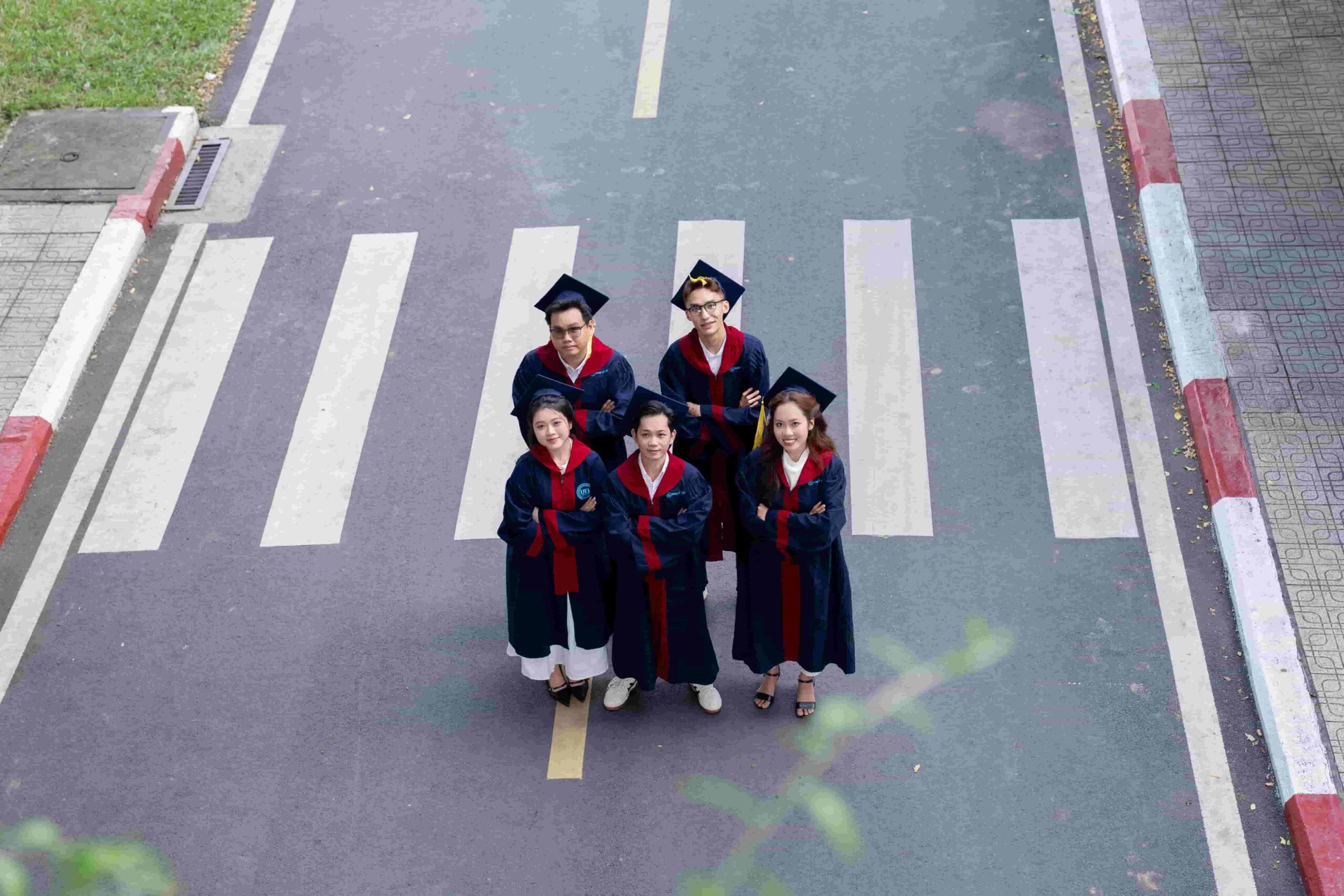
The conversation should no longer be about whether graduates studied enough. The more important question is whether they are prepared to apply what they know in real workplaces. When technical knowledge is supported by strong employability skills, graduates enter the workforce with greater confidence, employers gain access to job-ready talent, and the skills gap begins to narrow.
Build career-ready employability skills with Wadhwani Foundation and prepare for the future workforce with confidence.